

Meet us at iFx Cyprus
Building a brokerage from the ground up means wrestling with regulatory compliance, payment gateways, risk management systems, and trading infrastructure that can take years to develop and millions to deploy. For prop firms and aspiring brokers, this reality often delays market entry and drains resources that could be spent acquiring traders and growing revenue. A white label trading platform eliminates these barriers by providing turnkey solutions that let you launch or scale your brokerage in weeks rather than years. Professional trading experience becomes accessible as you focus on building your brand and attracting traders.
The right technology transforms this vision into reality without the technical headaches. Comprehensive solutions should include customizable platforms, integrated risk controls, and multi-asset support that adapts to your business model. Whether launching your first prop desk or expanding an existing operation across new markets, the infrastructure needs remain consistent. Trade Tech Solutions delivers these capabilities through its prop firm technology designed specifically for brokers who need robust trading infrastructure without the development overhead.
A white label trading platform is pre-built trading infrastructure that companies license and rebrand under their own name. The end client sees only your brand: your logo, your domain, your messaging. The technology provider operates invisibly behind the scenes. Building production-grade trading technology from scratch takes 3-5 years, making it impractical for most brokers to enter the market.

🎯 Key Point: White label solutions eliminate the massive upfront investment and technical complexity of building trading infrastructure in-house, allowing brokers to focus on client acquisition and business growth instead.
"Building production-grade trading technology from scratch typically takes 3-5 years, making it impractical for most brokers to enter the market." — Industry Analysis, 2024
💡 Example: When you trade on a broker's platform, you might see their custom branding and unique interface, but the underlying technology—order execution, risk management, and market connectivity—is often powered by a white-label provider working seamlessly behind the scenes.
Most brokerages and fintech startups use white-label infrastructure because regulatory licensing takes months. Adding years of technology development makes the project difficult to justify. A white-label platform like Trade Tech's can be set up in weeks, allowing brokers to focus on client acquisition and market positioning rather than building order-execution engines.
A production-grade white label platform integrates multiple technology layers to deliver a complete brokerage operation. The trading back-end processes trades, calculates margin in real time, and enforces risk limits. This complex part handles order management, execution, risk controls, position tracking, and account management: work that takes years to build properly.
Client-facing front-ends include web trading platforms, mobile apps for iOS and Android, and API interfaces. A strong white label solution provides ready-to-launch front-ends branded with your logo, colors, and domain. The back office provides an administrative interface for managing clients, instruments, commissions, risk parameters, and reporting. The connectivity layer delivers pre-built integrations with liquidity providers, exchanges, market data vendors, and technology partners. According to TraderEvolution Global Ltd, platforms founded in 2017 now include 80+ out-of-the-box connectivity integrations, eliminating months of integration work that would otherwise delay launch.
White label solutions make sense when the cost and time of building your own trading infrastructure outweigh the benefits of owning the entire system. New brokers face this immediately: regulatory licensing alone takes months, and adding years of technology development makes the project impractical. A case study of a mid-sized brokerage firm that used a white-label platform showed a 40% increase in its client base in one year, demonstrating how speed to market directly impacts growth.
The same logic applies when adding asset classes. A broker offering forex who wants to add equities, futures, or options must choose between building separate systems for each asset class or using a multi-asset white-label platform. Development costs multiply with each new asset class when built in-house, whereas a white-label solution handles multi-asset complexity as part of its core offering. Technology companies and prime brokers use white-label platforms for B2B sublicensing: they manage the business relationship with downstream brokers, while the white-label provider manages the technology.
Platforms like prop firm technology consolidate white-label trading infrastructure into one complete system. Rather than assembling separate vendors for CRM, risk management, payment processing, and trading platforms, our Trade Tech platform provides prop firms with everything in one package: customizable rules, AML/KYC compliance, 50+ payment processors, and advanced statistics.
The real operational burden isn't just launching a platform; it's managing the connections between systems that were never designed to work together. The real question is how these systems actually function when trades start flowing, and clients demand execution speed that matches their expectations.
White label trading platforms are complete trading systems that come packaged and ready to use. Each platform functions as a multi-layered system where client actions trigger a chain of processes across execution engines, risk controls, liquidity routing, and compliance checks. When a trader clicks "buy," that action initiates order validation, margin verification, liquidity sourcing, position booking, and real-time P&L calculation, all occurring in milliseconds. The platform's value depends on how seamlessly these layers communicate with each other.

🎯 Key Point: The seamless integration of multiple backend processes is what sets professional-grade white-label platforms apart from basic trading interfaces.
"Modern trading platforms must process thousands of simultaneous transactions while maintaining sub-millisecond latency for optimal user experience." — Financial Technology Research, 2024
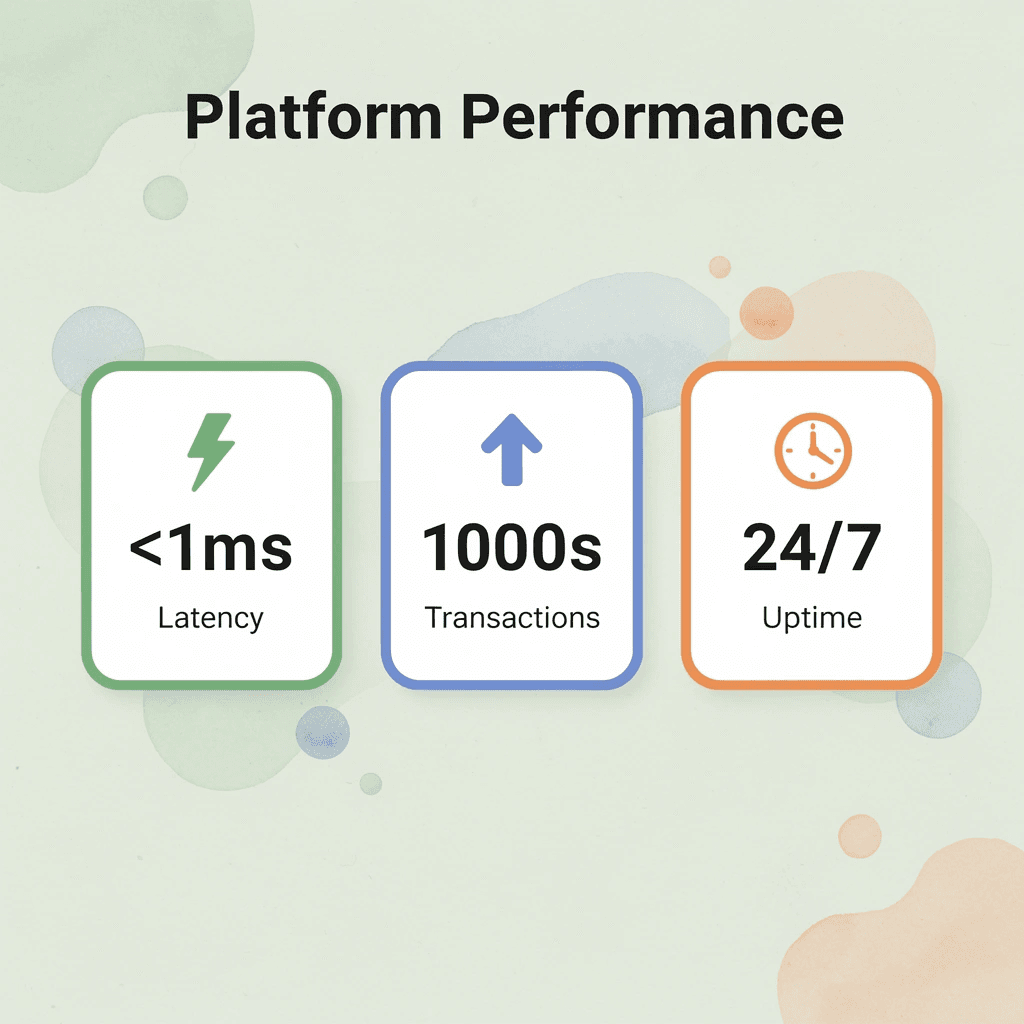
💡 Tip: When evaluating white label solutions, focus on how well the platform handles peak trading volumes and whether all system layers maintain consistent performance under stress.
The trading engine handles order routing, matching, and fill confirmation. It connects to pricing feeds from liquidity providers, processes incoming orders by type (market, limit, stop), and determines whether to execute internally or route externally. The engine manages slippage, requotes, and partial fills. Speed matters, but consistency matters more. A platform that executes in 50 milliseconds 99% of the time is more reliable than one that executes in 20 milliseconds but spikes to 500 during peak volume.
Liquidity integration aggregates pricing information from multiple sources, standardizes it, and routes orders to the best-priced provider. Some platforms use smart order routing to split large orders across multiple providers, reducing market impact. Others let brokers set up liquidity hierarchies based on instrument type or client level. TraderEvolution notes that building a trading platform from the ground up takes years of work, which is why most brokers opt for prebuilt solutions to handle these connections.
This layer manages the client lifecycle: onboarding, account creation, identity verification, document storage, and compliance checks. It handles account funding, withdrawals, and payment processor integration. A strong platform supports multiple KYC/AML providers, allowing brokers to switch vendors without rebuilding workflows. It tracks client activity for regulatory reporting and flags suspicious patterns, such as rapid account cycling or unusual withdrawal requests. Manual processes create bottlenecks that slow client acquisition and increase support costs.
Risk controls determine whether a trade is allowed before reaching the execution engine. This layer enforces margin requirements, calculates available leverage, monitors open exposure by instrument and client, and applies position limits. It manages stop-outs, margin calls, and hedging rules. If a client's equity falls below the maintenance margin threshold, the risk layer triggers the automatic liquidation of the position. The platform must recalculate these metrics in real time as prices move; delays of even a few seconds can result in negative balances or unhedged exposure. The risk layer also protects the broker from concentration risk by capping total exposure to a single instrument or market direction.
Most brokers underestimate how much customization they need in the risk layer. Default settings rarely match a firm's actual risk appetite. Our prop firm technology lets brokers configure margin rules, leverage tiers, and exposure limits in detail, ensuring risk controls align with business strategy rather than forcing the business to adapt to rigid platform defaults. This flexibility becomes critical when expanding into new markets or launching challenge-based programs with risk parameters different from those of standard retail accounts.
The front-end is the part of the system that users see and interact with. Every instruction passes through it. Web platforms, mobile apps, and desktop terminals all connect to the same back-end infrastructure. The front-end must display real-time prices, charts, order history, and account balances, and enable traders to place, modify, and cancel orders. It also handles user authentication, session management, and device compatibility. A slow or buggy interface creates operational risk. If traders cannot close positions during volatile markets due to an app crash, the broker assumes that exposure.
Performance matters more than design. A beautifully designed app that slows during busy periods will lose clients to a functional, plain interface that works reliably. The front-end must support customization so brokers can apply branding, configure available instruments, and adjust layout by client type. Some platforms allow brokers to white-label mobile apps under their own App Store listings, avoiding the risk of dependency on third-party providers. However, sophisticated platform architecture means nothing if it doesn't align with the business model it's meant to support.
White-label trading platforms work for different types of businesses with distinct needs. A retail broker handling high trade volumes requires different tools than a prop firm evaluating traders or a large institution trading across multiple markets. Choose a platform that fits your business model rather than restructuring your business around platform limitations.

🎯 Key Point: The most successful trading businesses choose platforms that align with their specific workflow rather than forcing operational changes to accommodate platform limitations.
"85% of trading firms report better performance when their technology stack matches their business model from day one." — FinTech Solutions Report, 2024
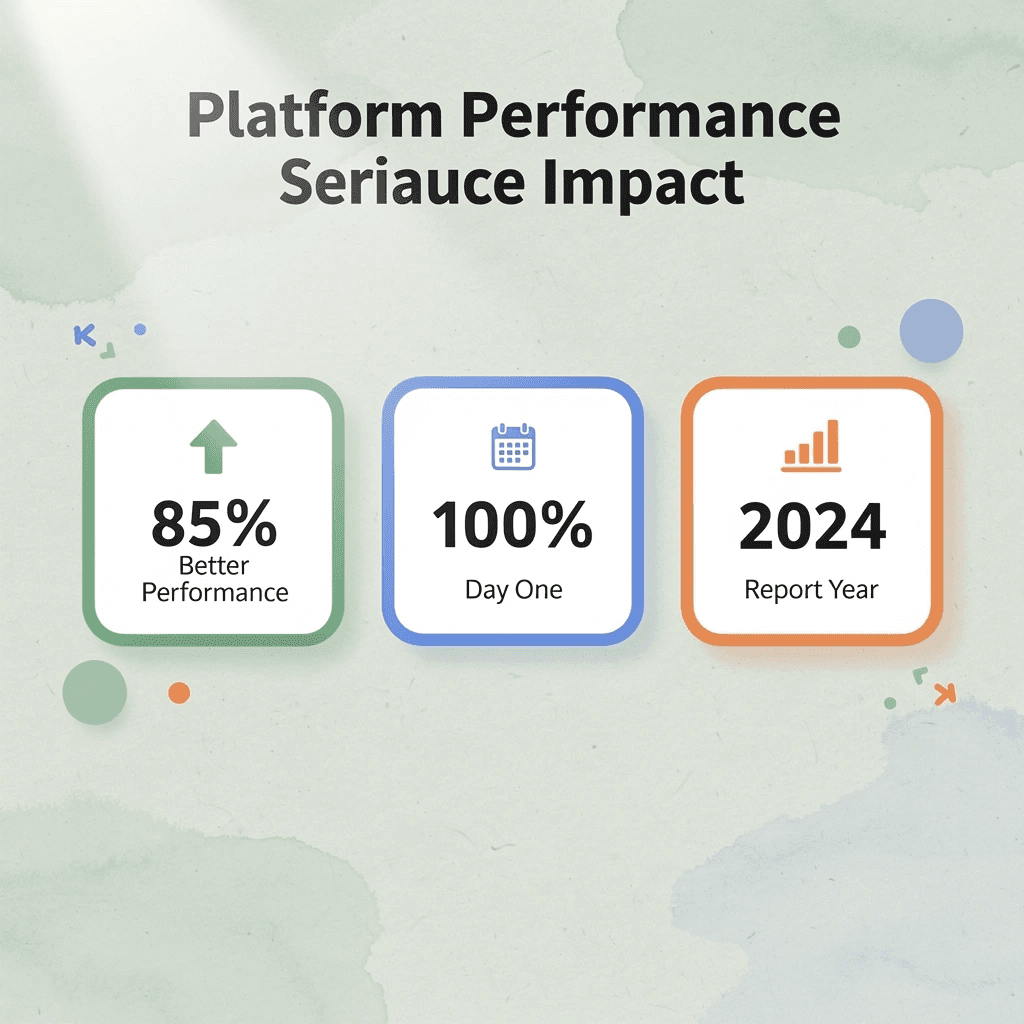
💡 Tip: Before evaluating any platform, create a detailed list of your core business requirements - from trade volume capacity to risk management features - and use this as your primary selection criteria.
Prop firms needing integrated infrastructure to handle trader onboarding, evaluation, payouts, and retention without assembling multiple vendors. Our Trade Tech platform consolidates these functions into a single solution.
Built specifically for prop trading operations with workflows designed around challenge phases, profit splits, and trader lifecycle management rather than generic brokerage functions.
Generic white-label platforms treat prop firms like brokers with unusual rules. Trade Tech recognizes that prop trading is fundamentally different and requires trader evaluation logic, challenge lifecycle management, and retention tools that standard brokerage platforms don't provide. When revenue depends on converting funded traders into long-term performers, infrastructure built around that workflow matters more than general-purpose flexibility.

Multi-asset brokers needing institutional-grade performance across Forex, CFDs, and crypto spot markets with centralized account management.
Our matching engine processes up to 3,000 requests per second, with execution times starting at 1 millisecond, and maintains reliability during high-volatility periods.
When speed affects client satisfaction and regulatory compliance, Trade Tech's enterprise-grade setup offers strong value. Brokers operating on thin margins need systems that perform reliably during high-impact news events.

ECN-focused brokers serving experienced traders who need Level II pricing, one-click execution, and algorithmic trading capabilities.
Advanced order types and execution transparency appeal to traders migrating from institutional platforms or running automated strategies.
Traders accustomed to institutional platforms expect clear execution and algorithmic tools that basic retail platforms lack. cTrader's design prioritizes control and visibility, making it the logical choice for clients who value those qualities.
Brokers and liquidity providers in decentralized ECN frameworks need integrated CRM systems and direct liquidity-bridge connections.
Built-in client management system eliminates the need for separate CRM licensing while maintaining trading functionality.
Startups seeking to avoid integration complexity prefer Match-Trader's unified approach, which reduces technical debt and monthly software costs. When speed to market outweighs maximum flexibility, integrated solutions win.

New brokerages needing turnkey "brokerage-in-a-box" infrastructure covering trading, CRM, risk management, and compliance.
Comprehensive package eliminates decision paralysis when selecting and integrating individual components.
First-time brokerage founders without technical teams benefit from ready-to-use, compliance-tested infrastructure across multiple jurisdictions. This convenience often costs less than hiring developers to integrate disparate systems while navigating regulatory approval.

Brokers seeking to differentiate through superior charting and technical analysis tools without developing proprietary systems.
According to LiquidityFinder, over 500,000 traders use platforms with TradingView integration worldwide, meaning new users arrive already familiar with the interface and can get started more easily.
When a company's competitive advantage lies in client acquisition rather than proprietary technology, leveraging TradingView's established reputation and community makes more sense than building analytical tools from scratch. Traders familiar with the interface convert faster and require less support.

Institutional brokers and large financial firms that need access to 135+ global markets and regulatory credentials across multiple jurisdictions.
Decades of compliance history and financial strength provide credibility when working with institutional clients or navigating complex regulatory environments.
Interactive Brokers' established infrastructure and compliance history are essential for clients seeking access to hard-to-find international markets or businesses requiring regulatory approval across multiple countries. Smaller platforms cannot match this breadth or regulatory credibility.

Retail-focused brokers seeking to prioritize user experience and trader retention through intuitive design and gamified educational tools.
Interface design optimized for new traders reduces abandonment rates during onboarding and early trading phases.
High-volume retail brokers competing on acquisition costs need platforms that quickly convert depositors into active traders. Interface simplicity and educational scaffolding matter more than advanced order types when minimizing the time between signup and first trade is critical.

Brokers needing deep customization and modern multi-asset support, particularly those serving markets where CFDs and cryptocurrencies drive volume.
Architecture designed for adaptability, enabling brokers to change workflows and instrument offerings without vendor dependency.
Markets change faster than platform vendors update their plans. Brokers that need to respond quickly to demand for new instruments or regulatory changes prioritize a customizable architecture over established ecosystems. When being first to market with new offerings determines competitiveness, customization becomes essential.
Cost-conscious brokers are leveraging MetaQuotes' extensive ecosystem of plugins, indicators, and expert advisors to minimize development costs.
Years in the market created extensive documentation and third-party tools, reducing the need for brokers to build proprietary solutions.
When budget constraints preclude custom development, and your trader base knows MetaTrader well, the ecosystem's maturity outweighs technical limitations. The platform's weaknesses are well documented, making risk assessment straightforward compared with newer solutions whose failure modes are unknown. The vendor behind your platform determines whether your infrastructure becomes a competitive advantage or a constant source of operational friction.
Not all white-label trading platforms offer the same level of scalability, compliance support, or infrastructure depth. Your choice of vendor determines whether your platform becomes a tool for growth or a constant source of problems. Evaluate the technical design, regulatory readiness, and alignment between the provider's business model and yours.
"The right white label provider can accelerate time-to-market by 80%, while the wrong choice can lead to costly compliance issues and technical debt." — FinTech Solutions Report, 2024

🎯 Key Point: Your vendor selection is not just about features—it's about finding a strategic partner who understands your market positioning and growth trajectory.
⚠️ Warning: Many brokers choose providers based on initial cost alone, only to discover hidden fees, limited customization options, or poor regulatory support that can cost thousands in the long run.

Evaluation Criteria for Platforms
Asset class support defines your addressable market. A platform built only for forex won't work well for crypto or equities without major architectural changes. Look for providers that offer native support across the asset classes you plan to trade in the next 18 months.
Liquidity integration quality separates functional platforms from professional ones. Poor liquidity routing creates slippage that traders notice immediately, especially during volatile sessions. According to B2BROKER, platforms offering a 99.9% uptime guarantee signal institutional-grade reliability. A platform delivering 50ms fills 99% of the time outperforms one averaging 30ms but spiking to 200ms during high-frequency periods.
Tools that help with regulatory compliance determine how fast you can enter new markets. Platforms with built-in AML/KYC workflows, transaction monitoring, and audit trails reduce compliance work from weeks of custom development to configuration tasks.
The ability to customize becomes important when your business model differs from that of a standard retail brokerage. Prop firms need evaluation logic, payout automation, and challenge management; brokers need margin controls and client grouping. Our Trade Tech platform structures are flexible, allowing you to build what makes you different instead of working around limitations.
Building in-house gives you complete control over architecture, feature prioritization, and competitive differentiation. It requires 18 to 36 months of development, regulatory capital to sustain operations during that period, and ongoing maintenance of complex infrastructure. PandaTS reports that white-label platforms now comprise over half of all platforms used by new Forex brokers, reflecting a pragmatic shift toward speed over control.
White label deployment trades architectural control for speed and predictability. You inherit the vendor's technical decisions, upgrade schedule, and infrastructure limitations. Startups with limited runway cannot afford a 24-month build cycle, and prop firms entering competitive markets need operational infrastructure immediately.
Most prop firms discover that integrating CRM, payment processors, KYC providers, and risk management systems creates as much work as the platform itself. Prop firm technology like Trade Tech consolidates these components into a unified system, eliminating the integration overhead that can extend a three-month launch to a nine-month project.
When liquidity isn't well-connected, slippage erodes traders' trust. Relying on a single liquidity provider without backup options degrades execution quality during volatile sessions. Traders notice when fills consistently lag market prices by 2-3 pips. Weak risk management systems expose you to regulatory scrutiny and financial loss. Platforms lacking real-time position monitoring, automated margin calls, and drawdown controls require manual intervention that becomes impractical beyond 100 active accounts.
Limited customization can restrict your business model before you realize it. You start with standard features, then discover you cannot set up the profit-split logic your prop firm needs or the tiered commission structure your affiliate program requires. Switching to a different vendor means moving live accounts and rebuilding your operations. You picked a platform optimized for someone else's business model. Infrastructure depth only matters if the vendor's architecture can handle what you're building toward.
Most teams choose white-label trading platforms by comparing feature lists and requesting demos, then discover months into operations that the platform can't support their trading workflows or scale with trader volume. Surface-level comparisons don't reveal whether the underlying architecture matches your operational model.
The real question isn't which platform offers the most features, but whether the vendor's infrastructure can execute your business logic at scale. A platform might handle 500 concurrent traders flawlessly but collapse under 2,000 because its risk engine wasn't designed to monitor positions in parallel across multiple asset classes. Another might offer beautiful front-end customization but lock you into rigid profit-split calculations that don't match your payout structure. These structural mismatches force platform migrations after you've already onboarded live accounts.

🎯 Key Point: Most prop firms piece together their technology stack from multiple vendors because no single platform was built for their operational needs. They integrate a white-label trading platform with a separate CRM, payment processors, KYC tools, and custom risk dashboards. Each integration introduces latency, data inconsistencies, and maintenance overhead.
"Each integration introduces latency, data inconsistencies, and maintenance overhead that can collapse platform performance under 2,000+ concurrent traders." — Industry Analysis, 2024

Our prop firm technology consolidates this into a unified system where trader evaluation rules, risk monitoring, payout automation, and compliance workflows operate from the same infrastructure. Instead of managing five vendor relationships and troubleshooting integration failures, you configure one platform that handles the entire trader lifecycle.
⚠️ Warning: Understanding white label trading infrastructure means evaluating execution consistency, liquidity routing logic, and how the platform handles edge cases like rapid drawdowns or simultaneous position closures. Ask whether the vendor's architecture was designed for your specific use case or adapted from a different business model. A platform built for retail forex brokers will handle prop firm evaluation challenges differently than one designed from the ground up for funded trader programs.

Platform Types and Architecture Comparison
Start by understanding the system architecture behind each option to evaluate whether the platform's core design aligns with how you operate. That clarity separates scalable infrastructure from setups that force workarounds or require expensive migrations later.



.png)
